
PDF to text conversion has become one of the most important processes in modern digital document handling. PDF to text tools help transform static, non-editable documents into usable, searchable, and editable content.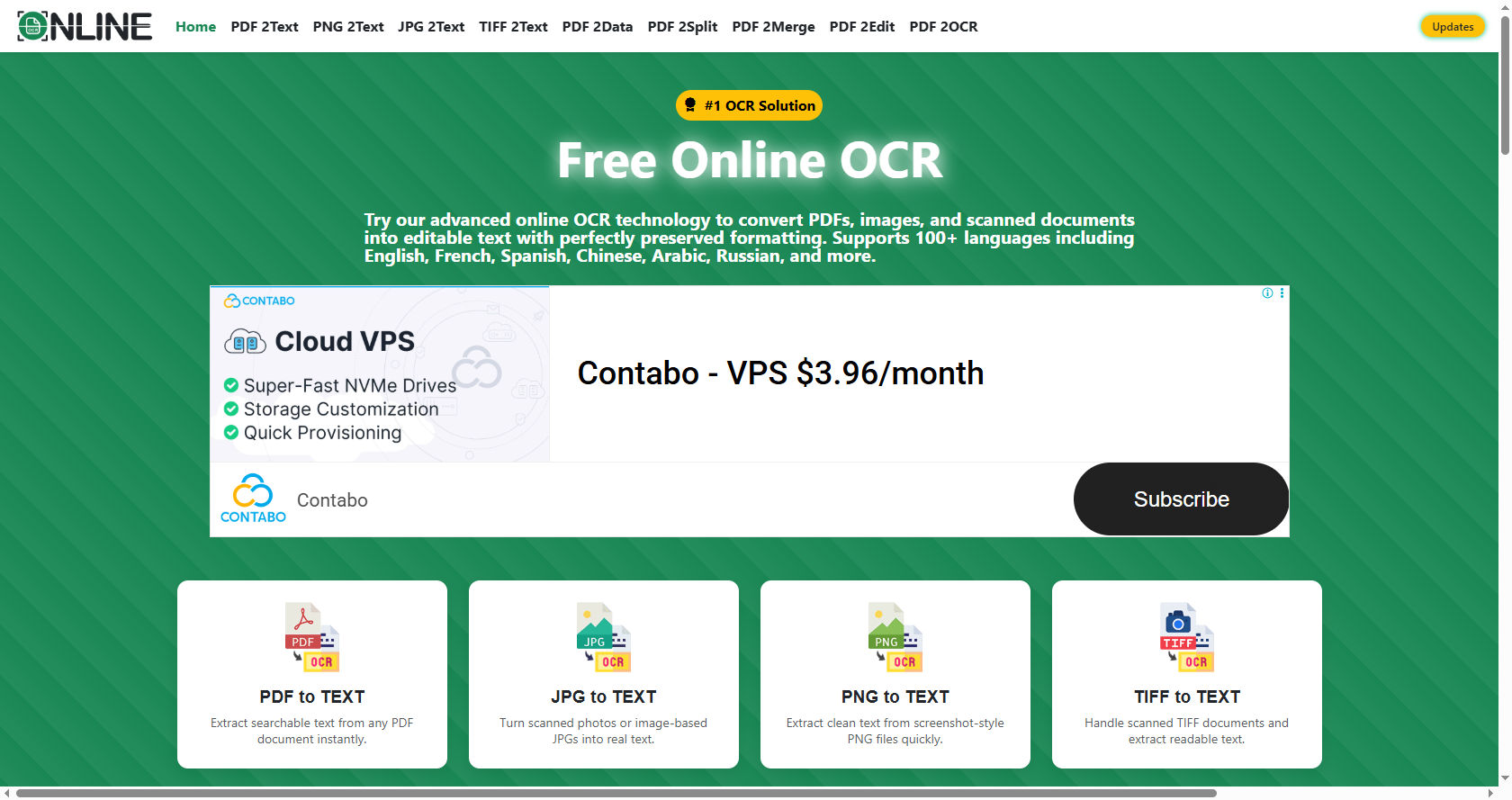
In today’s academic, business, and research environments, PDF to text technology plays a key role in saving time and improving productivity. Whether you are a student, office worker, or researcher, understanding PDF to text processing can help you manage information more efficiently.
In simple terms, PDF to text is the process of extracting readable text from PDF files. Many documents we receive daily are in PDF format, but they are often not easy to edit or analyze. This is where PDF to text conversion becomes useful.
It allows users to copy, search, and reuse content without retyping everything manually. As digital workflows continue to grow, PDF to text tools are becoming essential for handling large volumes of documents quickly.
This guide explains why PDF to text processing is important, how it works, its benefits, real-world uses, and best practices. It is written in a simple and easy-to-understand way for 12th-grade students and beginners.
Understanding PDF to Text Processing
PDF to text processing refers to the extraction of textual data from PDF files and converting it into editable formats like TXT, Word, or searchable databases. A PDF file often contains text, images, tables, and formatting. However, not all PDF files are designed for editing. That is why PDF to text tools are used to extract usable content.
There are two main types of PDF files:
- Text-based PDFs (created digitally)
- Image-based PDFs (scanned documents)
PDF to text works easily with text-based PDFs but requires advanced recognition techniques for scanned documents. In both cases, the goal of PDF to text conversion is to make information accessible and reusable.
Without PDF to text, users would need to manually retype content, which is time-consuming and inefficient.
Why PDF to Text Is Important in Modern Workflows
The importance of PDF to text cannot be overstated in today’s digital world. Every day, organizations handle thousands of PDF documents. Without PDF to text, managing this data would be extremely difficult.
One major reason PDF to text is important is efficiency. Instead of copying content manually, users can extract text instantly. Another reason is accuracy. Manual typing often leads to mistakes, but PDF to text tools reduce human error.
In offices, PDF to text helps employees process reports, invoices, and contracts quickly. In education, students use PDF to text to extract notes and study material. Researchers also rely on PDF to text for analyzing large datasets of documents.
Overall, PDF to text improves productivity and reduces workload in almost every field.
How PDF to Text Technology Works
Understanding how PDF to text works helps you appreciate its usefulness. The process depends on the type of PDF.
For digital PDFs, PDF to text tools directly extract embedded text. The software reads the internal structure of the file and pulls out characters and words.
For scanned PDFs, PDF to text uses a technology called Optical Character Recognition (OCR). OCR scans images and identifies letters, numbers, and symbols. Then it converts them into editable text.
The PDF to text process generally includes:
- Uploading the PDF file
- Analyzing content structure
- Detecting text or image-based content
- Extracting readable characters
- Converting into editable format
Each step in PDF to text ensures the final output is accurate and usable.
Key Benefits of PDF to Text Conversion
1. Saves Time
One of the biggest advantages of PDF to text is time-saving. Instead of manually typing documents, users can extract text in seconds.
2. Improves Productivity
With PDF to text, employees can focus on analysis instead of data entry. This improves overall productivity in workplaces.
3. Easy Editing
Once converted using PDF to text, documents become editable. Users can modify content without restrictions.
4. Better Searchability
PDF to text makes documents searchable. You can find keywords quickly instead of scrolling through pages.
5. Supports Data Analysis
Researchers use PDF to text to collect and analyze large amounts of information from documents.
6. Reduces Errors
Manual typing can lead to mistakes, but PDF to text reduces human error significantly.
7. Enhances Accessibility
People with disabilities can benefit from PDF to text tools when combined with screen readers and assistive technology.
Common Use Cases of PDF to Text
Education Sector
Students often use PDF to text to extract notes from textbooks, research papers, and study guides. It helps in revision and exam preparation.
Business Environment
Companies rely on PDF to text for processing invoices, contracts, and reports. It speeds up document handling.
Research and Data Science
Researchers use PDF to text to collect data from academic papers and journals.
Legal Industry
Lawyers use PDF to text to analyze contracts and legal documents quickly.
Content Creation
Writers use PDF to text to repurpose content for blogs, articles, or summaries.
Each of these fields depends heavily on PDF to text for smooth workflow management.
Challenges in PDF to Text Conversion
Even though PDF to text is highly useful, it comes with some challenges.
Poor Formatting
After PDF to text, formatting may not always remain perfect. Tables and columns can get misaligned.
Image-Based PDFs
Scanned documents require OCR in PDF to text, which may not always be 100% accurate.
Language Barriers
Some PDF to text tools struggle with multiple languages or special characters.
Complex Layouts
Documents with graphs, charts, and images can confuse PDF to text systems.
Accuracy Issues
While modern tools are advanced, PDF to text conversion may still produce small errors.
Despite these challenges, PDF to text continues to improve with new technology.
Best Practices for PDF to Text Conversion
To get better results from PDF to text, follow these best practices:
Use High-Quality PDFs
Clear and well-formatted files improve PDF to text accuracy.
Choose Reliable Tools
Good software ensures better PDF to text results with fewer errors.
Check Output Carefully
Always review the output after PDF to text conversion for mistakes.
Use OCR for Scanned Files
For image-based documents, OCR is essential in PDF to text processing.
Maintain File Organization
Organize your files before and after PDF to text conversion for better workflow.
Following these steps ensures smoother PDF to text performance.
Tools Used for PDF to Text Processing
There are many tools available for PDF to text conversion. These tools vary in features and accuracy.
Some tools are online platforms, while others are software applications. Advanced PDF to text tools offer batch processing, OCR support, and multi-language recognition.
Popular categories include:
- Online converters
- Desktop applications
- AI-based OCR tools
- Browser extensions
Each PDF to text tool has its strengths depending on user needs.
Future of PDF to Text Technology
The future of PDF to text looks very promising. With advancements in artificial intelligence and machine learning, PDF to text systems are becoming smarter and more accurate.
Future improvements in PDF to text may include:
- Near-perfect OCR accuracy
- Real-time conversion
- Better handling of complex layouts
- Improved multilingual support
- Cloud-based processing systems
As technology evolves, PDF to text will become even more essential in digital communication and documentation.
Why Students Should Learn PDF to Text Skills
Students benefit greatly from learning PDF to text techniques. It helps them manage study materials efficiently and reduces time spent on manual typing.
With PDF to text, students can:
- Extract notes quickly
- Create summaries
- Organize study materials
- Improve revision speed
In modern education, PDF to text is becoming a basic digital skill that supports learning and productivity.
Real-Life Example of PDF to Text Usage
Imagine a student receiving a 200-page PDF textbook. Without PDF to text, they would have to read and manually copy important points. With PDF to text, they can extract only the required chapters in minutes.
Similarly, an office worker handling invoices can use PDF to text to convert hundreds of files into editable spreadsheets quickly. This saves hours of manual labor.
These examples show how PDF to text simplifies real-world tasks.
Conclusion
PDF to text technology has transformed the way we handle digital documents. It allows users to convert static files into editable, searchable, and reusable content. From education to business, PDF to text plays a vital role in improving efficiency, accuracy, and productivity.
Although there are some challenges such as formatting issues and OCR limitations, continuous improvements in PDF to text technology are making it more reliable every day. With the rise of AI and machine learning, the future of PDF to text looks even more powerful and accurate.
For students, professionals, and researchers, learning how to use PDF to text tools is becoming an essential digital skill. It saves time, reduces effort, and improves overall workflow management.
In a world where information is growing rapidly, PDF to text ensures that data remains accessible and useful for everyone.