Racing is an exhilarating sport that demands precision, focus, and absolute confidence in your gear. Among all the equipment, Leather Racing Boots play a pivotal role in ensuring both safety and comfort.
These boots are not just ordinary footwear—they are engineered to protect your feet and ankles from the risks of high-speed riding while also offering comfort for long hours on the track.
Striking the right balance between comfort and protection can be challenging, but understanding the design, materials, and technology behind racing boots can help riders make informed choices.
Understanding the Importance of Racing Boots
Racing boots are designed for one primary purpose: safety. Unlike casual shoes or even standard motorcycle boots, Leather Racing Boots are specifically constructed to reduce injury in the event of a fall or accident. High-speed riding exposes the feet and ankles to significant impact forces, abrasion, and twisting injuries. A good pair of racing boots can absorb shock, prevent fractures, and protect your skin from severe abrasions.
At the same time, these boots need to be comfortable. Riders spend long hours leaning into corners, shifting weight, and maintaining control of their bike. Poorly fitting boots can cause blisters, fatigue, or even restrict movement, which can compromise performance. Comfort is not just about luxury—it directly affects a rider’s focus and control.
Key Protective Features in Racing Boots
When evaluating Leather Racing Boots, safety features should be the first priority. Here are the critical components designed to protect riders:
Reinforced Ankle Support
The ankle is one of the most vulnerable areas in motorbike accidents. Racing boots typically include rigid, external panels that shield the ankle from impact. Some boots also have internal padding that reduces lateral movement, preventing twisting injuries. The goal is to maintain flexibility for riding while limiting dangerous motion during falls.
Shifter and Heel Protection
Shifting gears repeatedly can wear out both the boot and your foot if it isn’t protected. Leather Racing Boots often have reinforced toe boxes, shift pads, and heel counters. These reinforcements not only prolong the life of the boot but also reduce the risk of bruising or fractures during riding and minor slips.
Impact Absorption
High-quality racing boots feature impact-absorbing materials like TPU (thermoplastic polyurethane) or advanced foam inserts. These components act as shock absorbers, minimizing damage from sudden impacts, whether it’s hitting the ground or colliding with an object.
Abrasion Resistance
Leather Racing Boots are generally made from thick, high-quality leather. Leather is naturally abrasion-resistant, which is essential during slides or skids. Some boots also include extra protective layers on the sides, toes, and heels to further enhance durability against friction with the track.
Comfort Considerations in Racing Boots
While protection is critical, comfort cannot be ignored. Boots that are too rigid, heavy, or poorly fitted can be a hindrance rather than an aid. Here’s what riders need to consider:
Proper Fit and Sizing
A snug fit is essential, but it should not constrict blood flow. Most Leather Racing Boots come with adjustable straps, laces, or buckles to customize fit. Always try boots with the type of socks you intend to wear for racing, as thickness can alter fit.
Flexibility and Mobility
Comfortable boots allow sufficient movement for foot and ankle flexion while riding. Modern racing boots often include articulated panels or accordion-like sections that permit movement without sacrificing protection. Flexibility is especially important when cornering or standing on footpegs.
Breathability
Racing can be intense, leading to sweaty feet and discomfort. Ventilation panels, perforated leather, or breathable liners help regulate temperature inside the boot, reducing moisture and preventing blisters.
Weight Considerations
Heavy boots may offer protection, but they can tire a rider over long sessions. Advanced materials allow manufacturers to reduce weight without compromising safety. Lightweight boots improve agility, making gear shifts and weight distribution easier during high-speed maneuvers.
The Trade-Off: Protection vs Comfort
Finding the balance between comfort and protection is the central challenge of selecting racing boots. Highly protective boots are often stiffer and heavier, which can make them uncomfortable for extended use. Conversely, highly flexible and lightweight boots may compromise certain safety aspects.
How to Balance the Two
-
Prioritize Safety Standards: Always choose boots that meet safety certifications, even if they feel slightly rigid at first. Comfort can often be improved with proper fitting or break-in periods.
-
Test Ride: A short test ride can help determine whether a boot restricts movement or causes discomfort. The best boots feel secure without pressure points.
-
Look for Adjustable Features: Buckles, straps, and removable liners allow riders to adjust fit and flexibility, providing a customizable balance between comfort and protection.
-
Consider Riding Style: Track racers may favor maximum protection with slightly stiffer boots, while touring or casual riders might prefer more flexibility and comfort for longer durations.
Innovations in Racing Boot Technology
Racing boots have evolved significantly over the years. Today’s Leather Racing Boots incorporate cutting-edge materials and engineering to enhance both comfort and protection:
Advanced Materials
Modern boots combine leather with synthetic materials, carbon fiber, or Kevlar reinforcements. These materials provide impact resistance while reducing weight and enhancing flexibility.
Ergonomic Design
Boots now feature anatomically designed panels that follow the natural shape of the foot and ankle. This reduces pressure points and improves comfort without sacrificing protection.
Modular Systems
Some boots offer removable armor or liners, allowing riders to fine-tune protection for specific riding conditions. For example, a racer might add extra ankle padding for track days and remove it for casual rides.
Temperature Control
Breathable liners, moisture-wicking fabrics, and vented designs are increasingly common. These features prevent overheating and improve overall comfort during long rides.
Common Mistakes Riders Make
Many riders underestimate the importance of racing boots, opting for casual or street boots. This can lead to injuries that are preventable with proper gear. Other mistakes include:
-
Choosing boots solely based on style or brand reputation.
-
Ignoring the break-in period and expecting immediate comfort.
-
Neglecting the combination of boot with socks and other gear, which affects fit and protection.
-
Not considering the type of riding (track vs touring) when selecting boot rigidity.
Maintenance for Longevity and Performance
Proper care of Leather Racing Boots is essential for maintaining both comfort and protection:
Cleaning and Conditioning
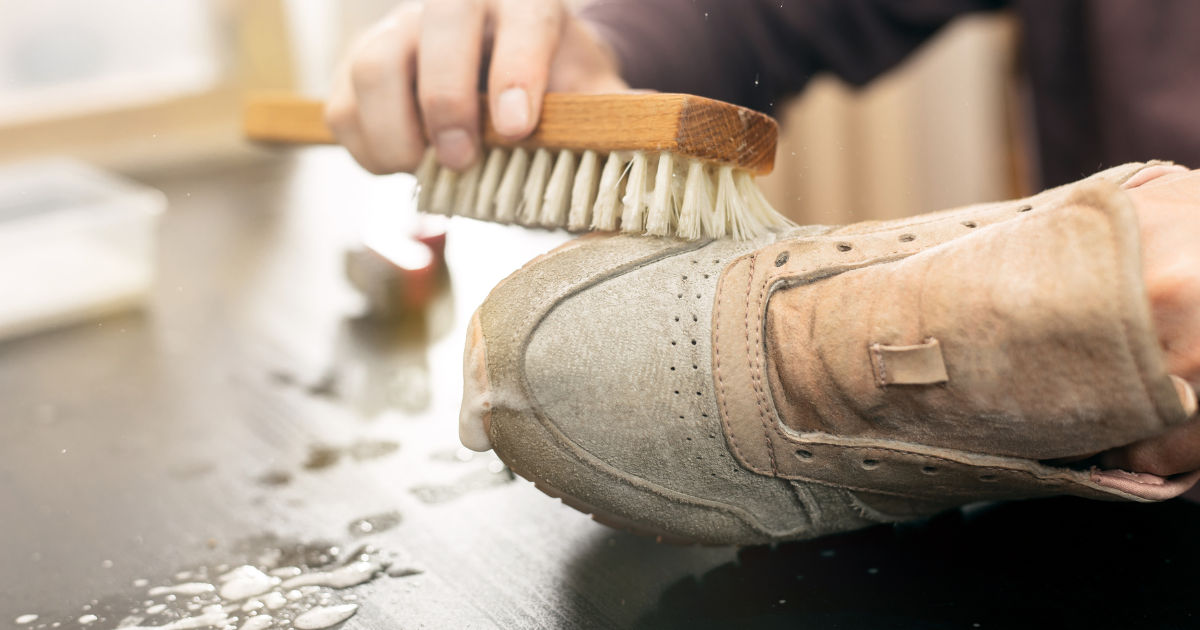
Leather should be cleaned regularly with mild soap and water, avoiding harsh chemicals. Conditioning keeps the leather supple, preventing cracks that compromise safety.
Checking Armor and Fasteners
Regularly inspect buckles, straps, and protective panels. Loose or damaged armor can reduce effectiveness in an accident.
Storage
Store boots in a cool, dry place away from direct sunlight. Avoid compressing them under heavy items, as this can deform the protective structures.
Conclusion
Selecting racing boots is a personal decision that involves evaluating both comfort and protection. Leather Racing Boots are designed to keep riders safe while providing enough flexibility and comfort for optimal performance. The right pair should fit snugly, offer sufficient ankle support, absorb impacts, and allow natural foot movement.
The key is understanding your riding style, assessing the protective features, and ensuring comfort over extended periods. Modern racing boots offer innovative solutions that bridge the gap between rigidity and flexibility, proving that you don’t have to compromise safety for comfort—or vice versa.
Investing time in choosing the right boots not only improves your riding experience but can also be the difference between a minor fall and a serious injury. Ultimately, comfort and protection are not mutually exclusive—they work best when carefully balanced in your Leather Racing Boots.