
When it comes to modern construction, choosing the right materials for exterior walls is crucial. Akbari Engineering has consistently emphasized the importance of quality materials that combine aesthetics, durability, and functionality.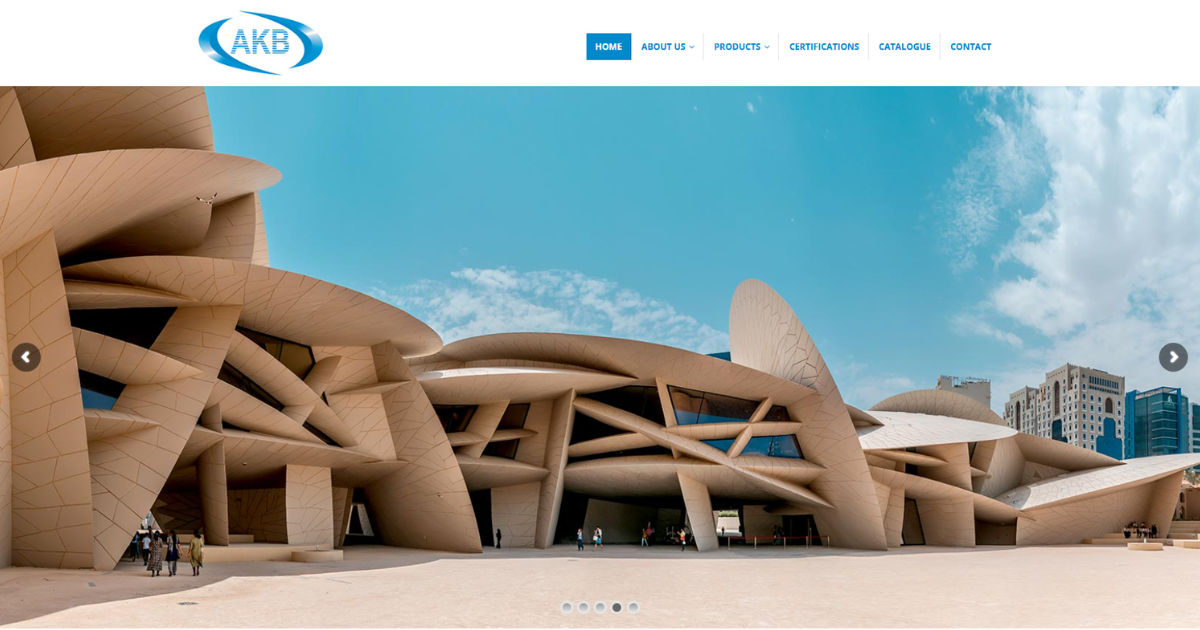
One of the best solutions available today is ACP exterior wall panels. According to Akbari Engineering, these panels are not just decorative surfaces; they are engineered to enhance the strength, appearance, and overall longevity of a building.
In this comprehensive guide, we will explore why architects, builders, and homeowners are increasingly choosing ACP (Aluminum Composite Panel) exterior wall panels.
We will break down their benefits, installation process, maintenance, design versatility, and cost-effectiveness, helping you understand why this material is a preferred choice in modern construction.
What Are ACP Exterior Wall Panels?
ACP, or Aluminum Composite Panels, consist of two thin layers of aluminum sandwiching a non-aluminum core. This composition creates a lightweight, rigid panel that is extremely durable and resistant to environmental factors.
The panels are coated with high-quality finishes, often PVDF or polyester coatings, which make them resistant to UV rays, corrosion, and pollution. This ensures the panels maintain their color and texture for many years, even in harsh weather conditions.
Unlike traditional cladding materials like brick or concrete, ACP panels are designed to provide a smooth, modern, and uniform exterior finish. Akbari Engineering has highlighted that these panels are ideal for both commercial and residential projects, especially for buildings where aesthetics and low maintenance are priorities.
Benefits of Using ACP Exterior Wall Panels
1. Exceptional Durability
One of the main reasons to choose ACP exterior wall panels is their durability. The aluminum layers protect the panels from corrosion, rust, and structural wear. The core material adds rigidity, preventing warping or cracking under pressure.
Buildings are exposed to constant environmental stress, including rain, wind, and pollution. ACP panels are engineered to withstand these elements without significant deterioration. This durability translates to long-term cost savings because repairs and replacements are infrequent.
2. Lightweight Yet Strong
ACP panels are surprisingly lightweight compared to traditional cladding materials. This makes them easier to handle during installation, reduces structural load on the building, and allows for more creative architectural designs.
Despite being lightweight, the panels are very strong and can endure impact better than materials like glass or wood. This balance of weight and strength makes ACP panels a safe and practical choice for high-rise buildings and commercial structures.
3. Weather Resistance
Exterior walls face extreme weather conditions, from scorching sun to heavy rain and strong winds. ACP panels are engineered to resist these challenges. The aluminum surface prevents water infiltration and corrosion, while the core material ensures thermal stability.
In addition, the panels are resistant to UV radiation, meaning their color does not fade easily even after years of exposure. This ensures that the building maintains its fresh and modern appearance for decades.
4. Low Maintenance
Traditional exterior wall materials like bricks or natural stone often require frequent cleaning and repair. ACP panels, on the other hand, require minimal maintenance.
A simple cleaning with water and mild detergent is usually enough to remove dirt and stains. The panels do not need repainting or sealing, which saves both time and money. This is especially beneficial for commercial buildings or urban areas with high pollution.
5. Design Versatility
ACP exterior panels come in a wide range of colors, textures, and finishes. Whether you prefer a metallic finish, wood texture, or vibrant colors, these panels can meet your design requirements.
Architects and designers appreciate the flexibility of ACP panels because they can create modern facades, geometric patterns, and even curved surfaces. Akbari Engineering often recommends ACP panels for projects where aesthetic appeal is as important as structural strength.
6. Energy Efficiency
Some ACP panels are designed with insulating cores that reduce heat transfer. This can improve the building’s energy efficiency by keeping interiors cooler in summer and warmer in winter.
Energy-efficient buildings reduce electricity bills and provide a more comfortable environment for occupants. By combining ACP panels with other sustainable design practices, builders can achieve significant energy savings.
7. Fire Resistance
Safety is always a priority in building construction. ACP panels with fire-retardant cores provide an additional layer of protection against fire hazards. While aluminum itself is non-combustible, the core material is also engineered to resist ignition, helping to slow the spread of fire.
Many urban building codes now require fire-resistant cladding, making ACP panels a compliant and safe choice for modern architecture.
8. Quick and Easy Installation
Unlike brickwork or concrete panels, ACP panels can be installed quickly using mechanical fasteners or adhesive systems. This reduces construction time and labor costs.
The panels are prefabricated, which means they arrive on-site ready to be mounted. This modular installation process allows for precision and consistency across the entire building facade. Akbari Engineering emphasizes that professional installation ensures long-term performance and maintains the aesthetic appeal of the panels.
Types of ACP Exterior Wall Panels
There are several types of ACP panels available for exterior walls. Choosing the right type depends on your design goals, budget, and performance requirements.
1. Standard ACP Panels
These panels are made with a polyethylene (PE) core and coated with a protective layer. They are suitable for general architectural applications where cost-effectiveness is a priority.
2. Fire-Retardant ACP Panels
These panels have a special fire-resistant core, making them suitable for high-rise buildings and projects with strict fire safety requirements.
3. PVDF Coated ACP Panels
Panels with a PVDF coating are highly resistant to UV rays, chemical corrosion, and weathering. They maintain color and gloss for longer, making them ideal for buildings in harsh climates.
4. Metallic and Textured ACP Panels
These panels offer a metallic, matte, or textured finish, allowing architects to create visually striking designs. They are often used in commercial buildings, hotels, and modern residential complexes.
Applications of ACP Exterior Wall Panels
ACP exterior wall panels are versatile and can be used across various construction projects.
1. Commercial Buildings
Office complexes, malls, and showrooms often use ACP panels for their modern appearance and low maintenance. The panels give the building a sleek, professional look while providing durability and protection.
2. Residential Buildings
Modern homes benefit from ACP panels for both aesthetics and insulation. They allow homeowners to explore creative designs while ensuring that the exterior walls remain protected against harsh weather.
3. Educational Institutions
Schools and universities use ACP panels to reduce maintenance costs and create contemporary architectural designs. The panels also contribute to energy efficiency, which is important for large campuses.
4. Hospitals and Healthcare Facilities
Healthcare facilities need durable, hygienic, and low-maintenance materials. ACP panels meet these requirements while giving buildings a clean and professional look.
5. Airports and Transport Hubs
Large-scale infrastructure projects such as airports, metro stations, and bus terminals use ACP panels for their lightweight nature, durability, and design versatility.
Installation Process
Installing ACP exterior wall panels requires careful planning and professional expertise. The process typically involves:
-
Surface Preparation: Ensuring the wall structure is clean, level, and stable.
-
Frame Installation: Mounting an aluminum or steel subframe to support the panels.
-
Panel Mounting: Attaching the panels to the frame using screws, rivets, or adhesive systems.
-
Sealing and Finishing: Applying sealants to joints and ensuring water-tightness.
Proper installation ensures panels perform well in terms of durability, weather resistance, and aesthetic appeal. Improper installation can lead to water leakage, panel warping, or reduced lifespan.
Maintenance Tips for ACP Exterior Panels
While ACP panels are low-maintenance, following some simple practices can extend their life:
-
Regular cleaning using mild soap and water.
-
Avoid abrasive tools or chemicals that can scratch or damage the surface.
-
Inspect panels annually for any loose joints or fasteners.
-
Promptly address any dents or damages to prevent long-term issues.
Cost Considerations
ACP exterior wall panels are a cost-effective option in the long term. While the initial investment may be higher than traditional cladding materials, savings on maintenance, durability, and energy efficiency make ACP panels a financially wise choice.
Moreover, the lightweight nature of ACP panels reduces structural requirements, potentially lowering construction costs. The variety of finishes also allows designers to achieve premium looks without the expense of expensive natural materials like stone or wood.
Environmental Impact
Many ACP panels are now manufactured with recyclable materials, reducing environmental impact. The lightweight design also means less energy is required for transportation and installation. By choosing sustainable ACP panels, builders contribute to greener construction practices.
Common Misconceptions About ACP Panels
-
ACP panels are not durable: Modern ACP panels are highly durable and engineered for long-term performance.
-
They are prone to fire hazards: Fire-retardant panels with proper cores are safe and compliant with building codes.
-
ACP panels are expensive: Considering durability, low maintenance, and aesthetic appeal, ACP panels are cost-effective over time.
Akbari Engineering often educates clients to understand these misconceptions and make informed decisions when choosing exterior wall solutions.
Conclusion
ACP exterior wall panels have transformed modern architecture by combining functionality, aesthetics, and durability. They provide weather resistance, fire safety, energy efficiency, and a wide range of design options. Whether for commercial, residential, or large infrastructure projects, ACP panels offer a reliable solution that minimizes maintenance while enhancing the building’s appearance.
With expert guidance from companies like Akbari Engineering, architects and builders can ensure proper selection, installation, and maintenance of ACP panels. These panels not only improve the structural integrity of buildings but also provide modern and visually appealing facades.
Investing in ACP exterior wall panels is investing in long-term durability, sustainability, and beauty. As construction demands continue to evolve, ACP panels remain a top choice for those seeking efficiency, design flexibility, and lasting performance.