
Automatic glass doors have become a common feature in modern buildings, from shopping malls to office spaces. At the heart of these doors is a crucial component: the Automatic Glass Door Sensor.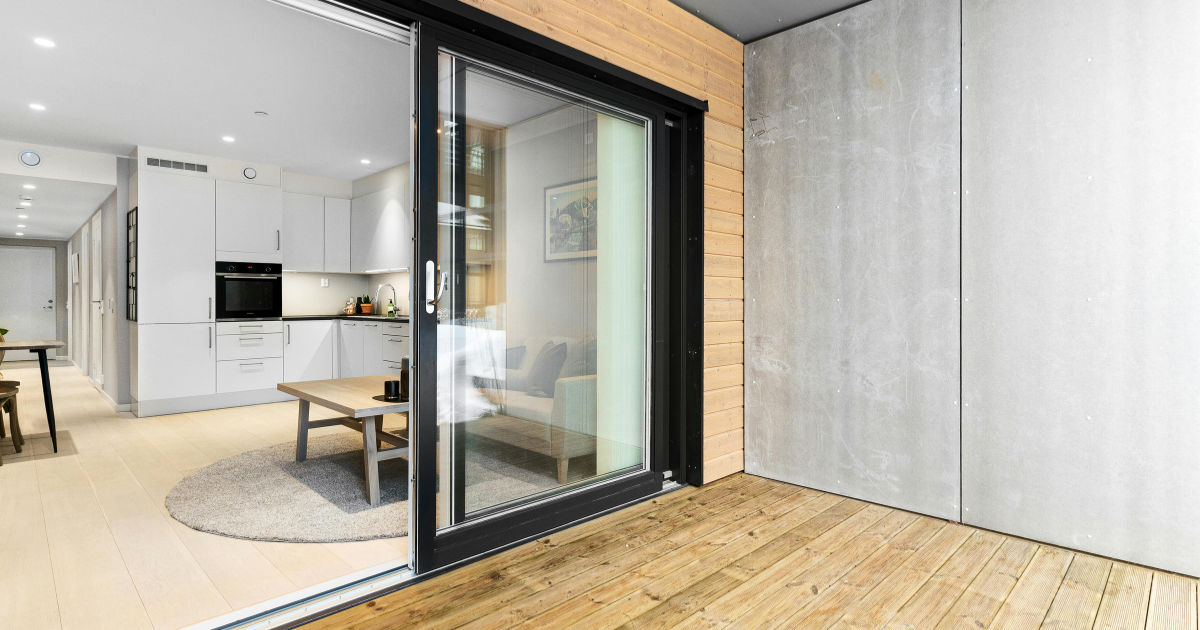
This device ensures doors operate smoothly, safely, and efficiently, responding to the presence of people or objects nearby. Understanding what an automatic glass door sensor does helps us appreciate the technology behind seamless entry and exit systems.
Understanding Automatic Glass Door Sensors
An Automatic Glass Door Sensor is a device designed to detect motion or presence in the doorway. When someone approaches, the sensor triggers the door to open automatically. Once the person has passed through, the sensor signals the door to close safely.
These sensors are essential for convenience and safety. They eliminate the need for manual pushing or pulling, making access easier for people with disabilities, carrying items, or managing high-traffic areas. Beyond convenience, the sensors prevent accidents by ensuring doors only operate when necessary.
Types of Automatic Glass Door Sensors
Automatic glass door sensors come in several types, each using different technologies to detect presence:
1. Motion Sensors
Motion sensors detect movement in front of the door. They often use infrared or microwave signals. When a person enters the detection zone, the sensor registers the movement and opens the door.
-
Infrared Sensors: Detect body heat. Effective for individual detection but may have limitations in extreme temperatures.
-
Microwave Sensors: Emit electromagnetic waves that bounce off moving objects. They cover a larger area and are less affected by temperature changes.
2. Presence Sensors
Presence sensors differ slightly from motion sensors. While motion sensors respond to movement, presence sensors detect even small stationary objects. They are useful for areas where people might stand in front of the door without triggering it through motion alone.
-
These sensors provide a higher level of safety, preventing doors from closing while someone is still in the doorway.
3. Pressure Sensors
Some automatic doors use pressure-sensitive mats in addition to motion or presence sensors. When weight is detected on the mat, the door opens or remains open.
-
These are often found in hospitals or areas with wheelchairs to enhance accessibility.
How an Automatic Glass Door Sensor Works
The operation of an Automatic Glass Door Sensor involves a few basic steps:
-
Detection: The sensor continuously monitors the area in front of the door. When it detects motion or presence, it sends a signal.
-
Signal Transmission: The sensor communicates with the door’s control system, which processes the information.
-
Door Activation: Upon receiving the signal, the control system triggers the motor to open the door.
-
Door Closure: After the person passes through, the sensor ensures no one remains in the doorway before signaling the door to close.
This process happens in fractions of a second, making the operation almost instantaneous.
Key Features of Automatic Glass Door Sensors
Understanding the features of Automatic Glass Door Sensors helps explain their functionality:
Safety
Safety is the top priority. Sensors prevent doors from closing on people or objects. Many modern sensors have fail-safe mechanisms that reverse door movement if an obstruction is detected.
Energy Efficiency
By opening only when needed, automatic glass doors reduce energy loss. This is especially important in climate-controlled buildings, where open doors can lead to significant energy waste.
Customizable Detection Zones
Many sensors allow customization of the detection area. This means the door only reacts when someone is approaching directly, reducing false activations from passing traffic.
Sensitivity Adjustment
Sensors often have adjustable sensitivity, making them suitable for different environments. For example, a busy shopping mall may need a different sensitivity setting compared to a quiet office.
Common Uses of Automatic Glass Door Sensors
Automatic Glass Door Sensors are found in various locations, each with specific advantages:
Commercial Buildings
In shopping malls, hotels, and offices, these sensors provide convenience and smooth traffic flow. People carrying bags or luggage can pass through without touching the door.
Hospitals and Healthcare Centers
Hospitals use sensors to ensure accessibility for patients, visitors, and staff. Presence sensors prevent doors from closing on stretchers or wheelchairs, enhancing safety.
Airports and Transit Hubs
High-traffic areas like airports rely on automatic glass doors with sensors to maintain order and efficiency. Quick response times reduce congestion and improve passenger movement.
Residential Use
Some modern homes and luxury apartments install automatic glass doors with sensors for convenience and security. They make entry effortless while adding a sleek aesthetic.
Advantages of Using Automatic Glass Door Sensors
The advantages of these sensors extend beyond simple convenience:
1. Enhanced Safety
By detecting presence, the sensors reduce accidents and injuries. They ensure doors do not close on people, objects, or pets.
2. Accessibility
Automatic doors with sensors make buildings more accessible to everyone, including individuals with disabilities. They comply with regulations like the Americans with Disabilities Act (ADA).
3. Convenience and Comfort
Sensors eliminate the need to touch door handles, which is especially useful during bad weather or when hands are full.
4. Energy Savings
Automatic doors minimize energy loss in climate-controlled environments by remaining closed when no one is nearby.
5. Reduced Wear and Tear
Since the door only operates when necessary, sensors help reduce mechanical stress and extend the life of the door system.
Challenges and Considerations
While Automatic Glass Door Sensors offer many benefits, there are some challenges to consider:
False Triggers
Sensors can sometimes activate due to pets, passing vehicles, or reflections. Proper installation and calibration are essential to minimize false triggers.
Maintenance
Regular maintenance is required to ensure sensors function correctly. Dirt, dust, or electrical interference can affect performance.
Cost
High-quality sensors and installation can be expensive. However, the long-term benefits in safety and efficiency often outweigh initial costs.
Environmental Factors
Extreme temperatures, humidity, or bright sunlight can affect sensor performance. Choosing the right sensor type for the environment is crucial.
Installation and Placement
Proper installation ensures that an Automatic Glass Door Sensor works effectively. Key factors include:
-
Height: Sensors are typically installed above the door, angled to cover the entryway properly.
-
Detection Range: The sensor’s range must cover the desired area without detecting unintended movement.
-
Alignment: Correct alignment ensures the sensor accurately detects people entering or exiting.
Professional installation is often recommended to optimize sensor performance and minimize false triggers.
Future Trends in Automatic Glass Door Sensors
The technology behind automatic doors continues to evolve. Emerging trends include:
Smart Sensors
Integration with smart building systems allows sensors to adapt automatically to traffic patterns, energy use, and security protocols.
AI-Powered Detection
Artificial intelligence can improve detection accuracy, distinguishing between humans, animals, and inanimate objects.
Touchless Integration
Some systems integrate with mobile apps, allowing doors to open when authorized individuals approach, enhancing security.
Eco-Friendly Designs
Energy-efficient sensors and motors are being developed to reduce the environmental footprint of automatic door systems.
Maintenance Tips for Optimal Performance
Maintaining Automatic Glass Door Sensors ensures long-term reliability:
-
Regular Cleaning: Keep sensor lenses clean to prevent false detections.
-
Check Alignment: Ensure sensors are correctly aligned and not blocked.
-
Test Functionality: Periodically test doors to confirm smooth opening and closing.
-
Professional Servicing: Schedule annual professional maintenance for calibration and repair.
Troubleshooting Common Issues
Even the best sensors may encounter issues. Common problems include:
-
Door Not Opening: Could be caused by a misaligned sensor, power failure, or obstructed detection zone.
-
Door Stays Open: Presence sensor may be detecting a constant object; cleaning or recalibration is required.
-
Erratic Operation: Electrical interference, dust, or worn-out components may cause inconsistent performance.
Addressing issues promptly prevents accidents and ensures smooth operation.
Conclusion
The Automatic Glass Door Sensor plays a vital role in modern building design. From enhancing safety and accessibility to improving convenience and energy efficiency, these sensors make doors smart and responsive. They adapt to different environments, detect human presence accurately, and prevent accidents.
Understanding what presence sensors do and how they operate helps building managers, homeowners, and designers make informed decisions about door systems. Regular maintenance, proper installation, and awareness of emerging technologies ensure these systems remain reliable and efficient.
Automatic glass doors equipped with sensors are no longer just a luxury—they are essential in creating safe, convenient, and energy-efficient spaces. As technology advances, we can expect smarter, more adaptive sensors that continue to improve the way we interact with our built environment.
By appreciating the role of an Automatic Glass Door Sensor, we recognize that even a simple sensor contributes significantly to safety, accessibility, and convenience in our daily lives.