
Living with ADHD can feel overwhelming, confusing, and frustrating. Many people struggle with focus, motivation, organization, and emotional regulation.
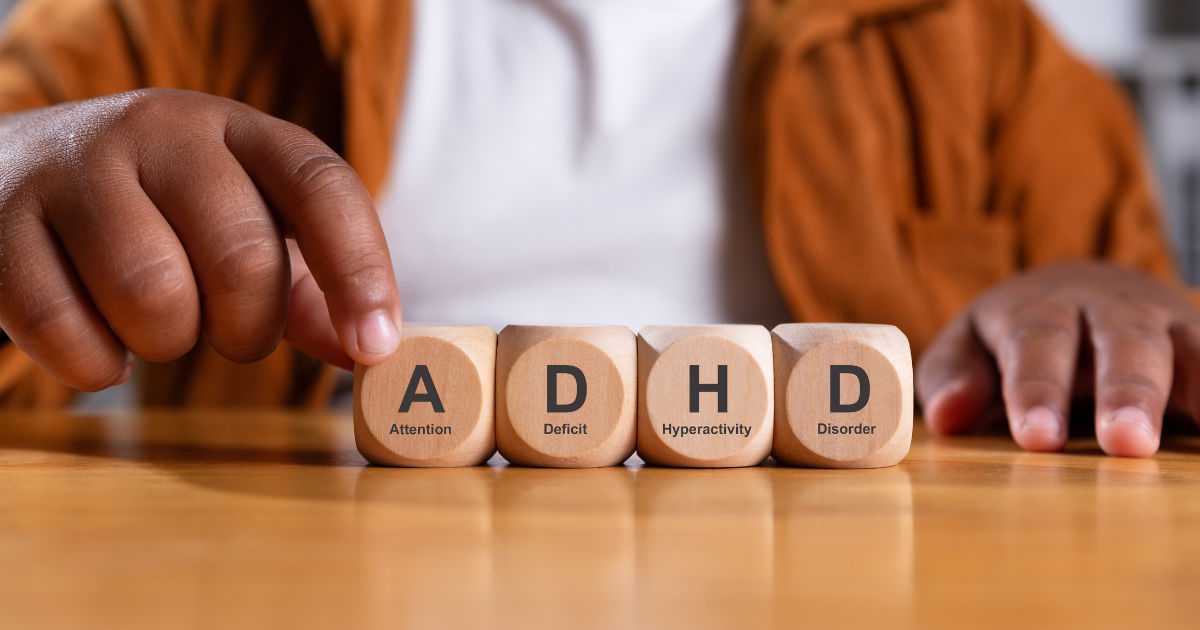
One proven and practical approach is to Treat Your ADHD With Rewards, a strategy that works with your brain instead of against it.
In this guide, you will learn how reward systems help ADHD, why they work, and how to build one that fits your daily life.
Learning to Treat Your ADHD With Rewards can make tasks easier, improve consistency, and increase self-confidence.
ADHD is not a lack of ability. It is a difference in how the brain processes motivation and attention.
When you Treat Your ADHD With Rewards, ( https://onlinemedspharmacy.com/buy-adderall-online/ ) you provide your brain with the stimulation it needs to stay engaged.
This guide explains everything step by step in simple language, making it easy to understand and apply.
Understanding ADHD and Motivation
ADHD affects the brain’s executive functions. These include planning, impulse control, working memory, and emotional regulation. One of the biggest challenges is motivation.
People with ADHD often struggle to start or finish tasks that do not feel interesting or urgent. This is not laziness. It is related to dopamine, a brain chemical involved in motivation and reward.
When dopamine levels are low, the brain looks for stimulation. This is why boring tasks feel painful and exciting activities feel effortless. To Treat Your ADHD With Rewards, you use external motivation to support internal motivation.
Rewards help create a dopamine response. This makes tasks feel more achievable and less stressful. Over time, this approach builds habits and confidence.
Why Reward Systems Work for ADHD
Reward systems are especially effective for ADHD brains. They provide immediate feedback, which is something ADHD brains need.
When you Treat Your ADHD With Rewards, you shorten the gap between effort and satisfaction. This keeps your brain engaged and focused.
Rewards also help break tasks into manageable steps. Instead of feeling overwhelmed, you feel encouraged to keep going. Each reward reinforces positive behavior.
Another reason reward systems work is emotional regulation. ADHD often comes with strong emotions. Rewards create positive emotions that balance frustration and stress.
Most importantly, rewards shift focus from failure to progress. When you Treat Your ADHD With Rewards, you celebrate effort, not perfection.
Common Myths About Rewards and ADHD
Many people believe rewards are childish or unnecessary. This belief can stop people from using a powerful tool.
Rewards are not bribes. A bribe is offered to avoid negative behavior. A reward reinforces positive behavior after effort is made.
Another myth is that rewards reduce intrinsic motivation. For ADHD, rewards actually support motivation until habits form. When you Treat Your ADHD With Rewards, you build momentum that leads to natural motivation.
Some think rewards must be expensive or dramatic. In reality, simple rewards are often the most effective.
Understanding these myths helps you use rewards without guilt or shame.
Types of Rewards That Work Best
Not all rewards are equal. The best rewards are meaningful, immediate, and motivating.
Internal Rewards
Internal rewards include feelings of pride, relief, or satisfaction. These grow stronger over time.
When you Treat Your ADHD With Rewards, acknowledge small wins. Say “I did it” or take a moment to notice progress.
External Rewards
External rewards are physical or activity-based. These include snacks, breaks, music, or screen time.
External rewards are especially helpful at the beginning. They provide immediate motivation.
Short-Term Rewards
Short-term rewards happen right after a task. These are crucial for ADHD.
Examples include a five-minute break or a favorite drink. To Treat Your ADHD With Rewards, keep rewards close in time to effort.
Long-Term Rewards
Long-term rewards work best when combined with short-term ones. These include trips, purchases, or special events.
They help maintain motivation for bigger goals.
How to Build an Effective Reward System
Creating a reward system does not need to be complicated. Simple systems are easier to maintain.
Start by choosing one or two behaviors you want to improve. Focus on actions, not outcomes.
Next, break tasks into small steps. Smaller steps mean more chances for rewards.
Then choose rewards that feel exciting but healthy. To Treat Your ADHD With Rewards, the reward must matter to you.
Set clear rules. Know exactly what earns a reward. Consistency is key.
Finally, track progress. Visual reminders make progress feel real.
Reward Systems for Daily Tasks
Daily tasks can be the hardest for people with ADHD. These include cleaning, studying, or managing emails.
To Treat Your ADHD With Rewards, pair boring tasks with enjoyable rewards.
For example, clean for ten minutes, then listen to a favorite song. Study one page, then stretch or snack.
Use timers to create structure. Timers turn time into a visible goal.
The goal is not perfection. The goal is progress and consistency.
Using Rewards for School or Work
School and work often require sustained focus. This can be exhausting for ADHD brains.
Break assignments into sections. Reward yourself after each section.
When you Treat Your ADHD With Rewards, you turn large projects into a series of wins.
Use point systems if helpful. Earn points toward a bigger reward.
Communicate with teachers or supervisors if possible. External support strengthens reward systems.
Rewards and Emotional Regulation
ADHD affects emotions as much as attention. Frustration, guilt, and shame are common.
Rewards help balance emotional responses. They create positive feedback loops.
When you Treat Your ADHD With Rewards, you replace self-criticism with encouragement.
Reward systems should never include punishment. Negative reinforcement increases stress and avoidance.
Focus on kindness and patience. Emotional safety improves focus and motivation.
How to Avoid Common Reward System Mistakes
One common mistake is choosing rewards that are too delayed. ADHD brains need quick feedback.
Another mistake is making rewards too hard to earn. This leads to burnout.
To Treat Your ADHD With Rewards, adjust systems as needed. Flexibility is a strength, not a failure.
Avoid removing rewards as punishment. This can create resentment.
Keep systems simple. Complexity reduces consistency.
Rewards for Children and Teens With ADHD
Reward systems are especially effective for younger people with ADHD.
Children benefit from visual charts, stickers, or tokens.
Teens prefer autonomy and meaningful rewards. Involve them in choosing rewards.
When parents Treat Your ADHD With Rewards, they support confidence and independence.
Consistency and encouragement matter more than perfection.
Rewards for Adults With ADHD
Adults often feel embarrassed using rewards. This mindset can be harmful.
ADHD does not disappear with age. Adults need support too.
When adults Treat Your ADHD With Rewards, they improve productivity and self-esteem.
Adult rewards can include hobbies, rest, or personal time.
Self-respect grows when effort is acknowledged.
Using Technology to Support Reward Systems
Apps and tools can make reward systems easier.
Task managers, habit trackers, and timers provide structure.
Digital rewards like points or streaks can be motivating.
To Treat Your ADHD With Rewards, choose tools that feel fun, not stressful.
Avoid overloading with too many apps. Simplicity works best.
Combining Rewards With Other ADHD Strategies
Rewards work best when combined with other strategies.
Structure, routines, and clear goals support reward systems.
Exercise, sleep, and nutrition also affect motivation.
When you Treat Your ADHD With Rewards, you create a supportive environment.
Therapy or coaching can enhance results.
Building Long-Term Habits With Rewards
Over time, rewards help habits form naturally.
As tasks become easier, rewards can be reduced or changed.
The goal is not to remove rewards completely. It is to adapt them.
When you Treat Your ADHD With Rewards, you build skills that last.
Celebrate growth, not just completion.
Dealing With Setbacks and Inconsistency
Setbacks are normal with ADHD. They do not mean failure.
Reward systems should be forgiving and flexible.
If a system stops working, adjust it.
To Treat Your ADHD With Rewards, focus on learning, not judging.
Restarting is a success, not a failure.
Creating a Reward-Friendly Mindset
Mindset matters as much as method.
Let go of guilt about needing rewards.
ADHD brains are wired differently. Support is necessary.
When you Treat Your ADHD With Rewards, you honor your needs.
Self-compassion improves motivation and resilience.
The Science Behind Rewards and ADHD
Research shows ADHD is linked to dopamine regulation.
Rewards increase dopamine availability.
This improves focus, motivation, and emotional control.
When you Treat Your ADHD With Rewards, you apply neuroscience in daily life.
Understanding the science reduces shame and increases confidence.
Personalizing Your Reward System
No two ADHD brains are the same.
What works for one person may not work for another.
Experiment and adjust.
To Treat Your ADHD With Rewards, listen to your own responses.
Personalization leads to sustainability.
Teaching Yourself Accountability With Rewards
Rewards can also build accountability.
Set clear expectations for yourself.
Use rewards as positive reinforcement, not pressure.
When you Treat Your ADHD With Rewards, accountability feels supportive.
Trust grows through consistency.
Reward Systems and Self-Esteem
ADHD often affects self-esteem.
Repeated struggles can lead to self-doubt.
Rewards help rebuild confidence.
When you Treat Your ADHD With Rewards, you focus on strengths and effort.
Confidence grows through recognition.
Making Rewards Part of Your Lifestyle
Reward systems should fit into daily life.
They should feel natural, not forced.
Small rewards used often are powerful.
To Treat Your ADHD With Rewards, integrate them into routines.
Consistency matters more than intensity.
Long-Term Benefits of Reward-Based ADHD Management
Over time, reward systems improve habits and emotional health.
Stress decreases. Productivity increases.
Self-awareness grows.
When you Treat Your ADHD With Rewards, you create a positive cycle of effort and success.
Life feels more manageable and fulfilling.
Conclusion
Learning how to manage ADHD is a journey, not a destination. Reward systems offer a practical, compassionate, and science-backed approach to daily challenges. When you Treat Your ADHD With Rewards, you work with your brain instead of fighting it. Rewards provide motivation, emotional balance, and structure. They help transform overwhelming tasks into achievable steps.
This guide showed how reward systems support motivation, emotional regulation, and habit formation. It explained how to design simple systems, avoid common mistakes, and adapt rewards for different ages and lifestyles. Most importantly, it emphasized self-compassion and flexibility.
ADHD does not define your worth or potential. With the right tools, including rewards, you can build a life that feels balanced and fulfilling. When you consistently Treat Your ADHD With Rewards, you create an environment where effort is recognized and progress is celebrated. Over time, this approach leads to confidence, resilience, and lasting growth.