
Blue Silica Gel is a small but powerful material that most people have seen but rarely understand. It often appears in tiny packets labeled “Do not eat,” placed inside shoe boxes, medicine bottles, electronics packaging, and food containers.
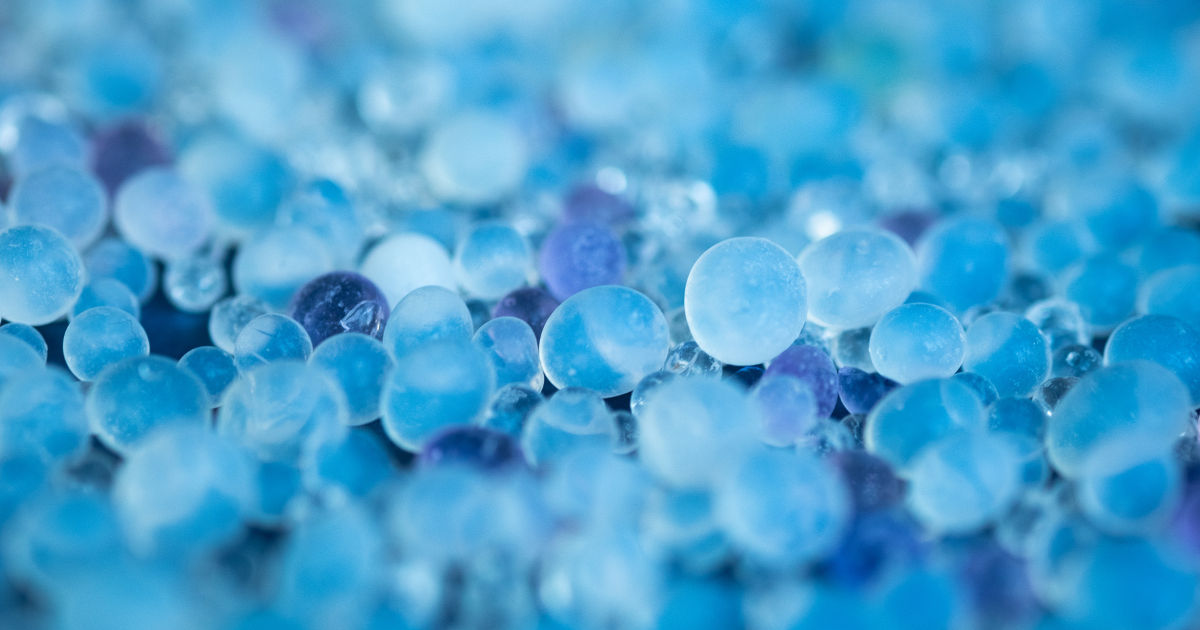
These small packets play a big role in protecting products from moisture damage. Blue Silica Gel is specially designed to absorb moisture from the air and indicate its saturation level through a visible color change.
In this comprehensive guide, you will learn exactly what Blue Silica Gel is, how it works, why it is blue, how it is used in different industries, its advantages and limitations, safety considerations, environmental impact, and how it compares to other moisture absorbers. This article is written in clear, easy language for a 12th-grade audience and uses short paragraphs for better readability.
Silica Gel Basics
Silica gel is a porous form of silicon dioxide. It is made from sodium silicate, which is processed to create a solid material filled with microscopic pores. These pores allow silica gel to trap water molecules through a process called adsorption.
Blue Silica Gel is a special type of silica gel that contains a moisture indicator. Unlike regular clear or white silica gel, Blue Silica Gel changes color when it absorbs moisture. This makes it easy to tell whether it is still effective or needs to be replaced or regenerated.
Silica gel is not actually a gel. Despite the name, it is a hard, granular substance. The term “gel” refers to the way it is formed during manufacturing.
What Makes Blue Silica Gel Different?
The key difference between regular silica gel and Blue Silica Gel is the color indicator. Blue Silica Gel is treated with a chemical indicator that reacts to moisture. When dry, it appears blue. As it absorbs water, it gradually changes color, usually from blue to pink or purple.
This color change provides a visual signal that the material has reached its moisture absorption limit. That is why Blue Silica Gel is widely used in applications where monitoring humidity levels is important.
Unlike non-indicating silica gel, Blue Silica Gel allows users to quickly check whether the desiccant is still working without special equipment.
How Blue Silica Gel Works
Blue Silica Gel works through adsorption, not absorption. Adsorption means that water molecules stick to the surface of the silica gel particles rather than dissolving into them.
Each granule of Blue Silica Gel contains millions of tiny pores. These pores create a massive surface area. When moisture is present in the air, water molecules are attracted to the silica surface and become trapped inside these pores.
As moisture fills the pores, the indicator chemical inside Blue Silica Gel reacts. This reaction causes the visible color change. Once most pores are filled, the gel can no longer absorb moisture effectively.
At this point, Blue Silica Gel must be replaced or regenerated.
Why Is Blue Silica Gel Blue?
The blue color in Blue Silica Gel comes from a moisture-sensitive chemical indicator. Traditionally, this indicator has been cobalt chloride. Cobalt chloride is blue when dry and turns pink when exposed to moisture.
This color change is very useful. It gives immediate visual feedback about humidity exposure. However, cobalt chloride has raised health and environmental concerns, which has led to the development of safer alternatives.
Modern Blue Silica Gel products may use non-toxic or low-toxicity indicators that still provide a clear color change without the same health risks.
Color Change and Moisture Levels
One of the biggest advantages of Blue Silica Gel is its ability to indicate moisture saturation clearly.
When completely dry, Blue Silica Gel appears deep blue. As it absorbs moisture, the color slowly fades or changes to light blue, purple, or pink, depending on the indicator used.
This gradual change allows users to monitor humidity over time. When most of the beads have changed color, it is a sign that the Blue Silica Gel has reached its capacity.
This feature is especially important in environments where moisture control is critical, such as laboratories, storage facilities, and electronics packaging.
Common Uses of Blue Silica Gel
Blue Silica Gel is used across many industries and everyday applications. Its ability to absorb moisture and show saturation visually makes it extremely versatile.
In packaging, Blue Silica Gel protects products from moisture damage during shipping and storage. It is commonly found in shoe boxes, handbags, clothing packages, and electronic devices.
In pharmaceuticals, Blue Silica Gel helps keep medicines dry, maintaining their effectiveness and shelf life.
In laboratories, Blue Silica Gel is used in desiccators to control humidity for sensitive experiments and chemical storage.
In food packaging, it helps prevent moisture buildup that could lead to spoilage, though it is always kept separate from direct food contact.
Industrial Applications of Blue Silica Gel
Many industrial processes rely on Blue Silica Gel for moisture control. In manufacturing plants, it is used to protect machinery parts from rust and corrosion.
In the electronics industry, Blue Silica Gel is critical for preventing moisture-related damage to circuit boards, chips, and sensors. Even small amounts of humidity can cause serious issues in electronic components.
In logistics and shipping, containers often include Blue Silica Gel to reduce humidity during long transport routes, especially across oceans.
Museums and archives also use Blue Silica Gel to protect historical documents, artwork, and artifacts from moisture damage.
Household Uses of Blue Silica Gel
Blue Silica Gel is not limited to industrial settings. It is also useful at home.
People often reuse Blue Silica Gel packets to keep closets, drawers, and storage boxes dry. It helps prevent mold growth, unpleasant odors, and fabric damage.
Camera owners use Blue Silica Gel to protect lenses and equipment from moisture. Moisture can cause fungus growth on lenses, which is difficult to remove.
Toolboxes, safes, and jewelry boxes also benefit from Blue Silica Gel, as it helps prevent rust and tarnishing.
Regenerating Blue Silica Gel
One of the most practical features of Blue Silica Gel is that it can be regenerated and reused.
When the gel changes color, it means it has absorbed moisture. To regenerate it, the gel can be heated to remove the trapped water.
This is usually done by placing Blue Silica Gel in an oven at a low temperature, typically around 100 to 120 degrees Celsius. After a few hours, the moisture evaporates, and the gel returns to its original blue color.
Once regenerated, Blue Silica Gel can be reused many times, making it a cost-effective and environmentally friendly option.
Safety Considerations
While Blue Silica Gel is generally safe to handle, it is not meant to be eaten. The small beads pose a choking hazard, especially for children and pets.
Traditional Blue Silica Gel containing cobalt chloride should be handled with care. Prolonged skin contact or inhalation of dust should be avoided.
Modern alternatives often use safer indicators, but it is still best to wash hands after handling Blue Silica Gel and keep it stored securely.
Always follow manufacturer instructions regarding use and regeneration.
Environmental Impact of Blue Silica Gel
Blue Silica Gel is considered relatively environmentally friendly compared to some other moisture absorbers.
It does not dissolve or leak chemicals into the environment when used properly. Its ability to be regenerated and reused reduces waste.
However, concerns about cobalt chloride have led to stricter regulations in some regions. This has encouraged manufacturers to develop eco-friendlier versions of Blue Silica Gel with safer indicators.
When disposing of Blue Silica Gel, it should be done according to local regulations, especially if it contains cobalt-based indicators.
Blue Silica Gel vs. White Silica Gel
White silica gel is similar in structure and function to Blue Silica Gel, but it does not change color.
The main advantage of Blue Silica Gel over white silica gel is visibility. Users can easily see when Blue Silica Gel is saturated.
White silica gel requires humidity indicators or regular replacement schedules, which can be less convenient.
However, white silica gel is often preferred in applications where indicator chemicals are not desired.
Blue Silica Gel vs. Other Desiccants
There are many types of desiccants available, including clay desiccants, calcium chloride, and molecular sieves.
Blue Silica Gel offers a balance between performance, reusability, and visibility. It is more reusable than calcium chloride and provides better visual feedback than clay desiccants.
Molecular sieves can absorb more moisture but are more expensive and require precise regeneration conditions.
For many everyday and industrial uses, Blue Silica Gel remains the most practical choice.
Shelf Life and Storage
When stored properly, Blue Silica Gel has a long shelf life. It should be kept in airtight containers to prevent premature moisture absorption.
If exposed to air for long periods, Blue Silica Gel will slowly absorb moisture even if not in use.
Proper storage ensures that Blue Silica Gel remains effective when needed and reduces the frequency of regeneration.
Myths and Misunderstandings
Many people believe silica gel is toxic. In reality, Blue Silica Gel itself is not poisonous, but the indicator chemicals may pose risks if mishandled.
Another common myth is that silica gel stops working permanently once it changes color. In fact, Blue Silica Gel can usually be regenerated multiple times.
Some people think silica gel absorbs liquid water. It actually absorbs moisture from the air, not standing water.
Understanding these facts helps users make better use of Blue Silica Gel.
Choosing the Right Blue Silica Gel
When selecting Blue Silica Gel, consider the application, environment, and safety requirements.
For home use, small packets with non-toxic indicators are ideal. For industrial use, bulk Blue Silica Gel may be more cost-effective.
Always check product specifications to ensure the indicator type meets safety and regulatory standards.
Choosing the right Blue Silica Gel ensures optimal moisture control and long-term performance.
Future of Blue Silica Gel
As environmental and health concerns grow, the future of Blue Silica Gel is focused on safer and more sustainable indicators.
Research continues into new materials that offer clearer color changes without harmful chemicals.
Innovations in packaging and regeneration methods are also improving the efficiency and usability of Blue Silica Gel.
Despite new technologies, Blue Silica Gel remains a trusted and widely used moisture control solution.
Conclusion
Blue Silica Gel is a simple yet highly effective material designed to control moisture and protect products from humidity damage. Its unique color-changing ability makes it easy to monitor moisture levels without special tools. From industrial manufacturing to everyday household use, Blue Silica Gel plays a critical role in preserving quality, safety, and performance.
Understanding how Blue Silica Gel works helps users use it more effectively and safely. Its reusability, affordability, and versatility make it one of the most popular desiccants worldwide. As safer indicators and sustainable practices continue to develop, Blue Silica Gel will remain an essential tool for moisture control across many industries and applications.