
Automatic sliding door sensors are everywhere today. You see them in shopping malls, hospitals, airports, offices, and even modern homes. These systems make entry and exit easy, safe, and touch-free. However, their performance depends heavily on how accurate the sensors are.
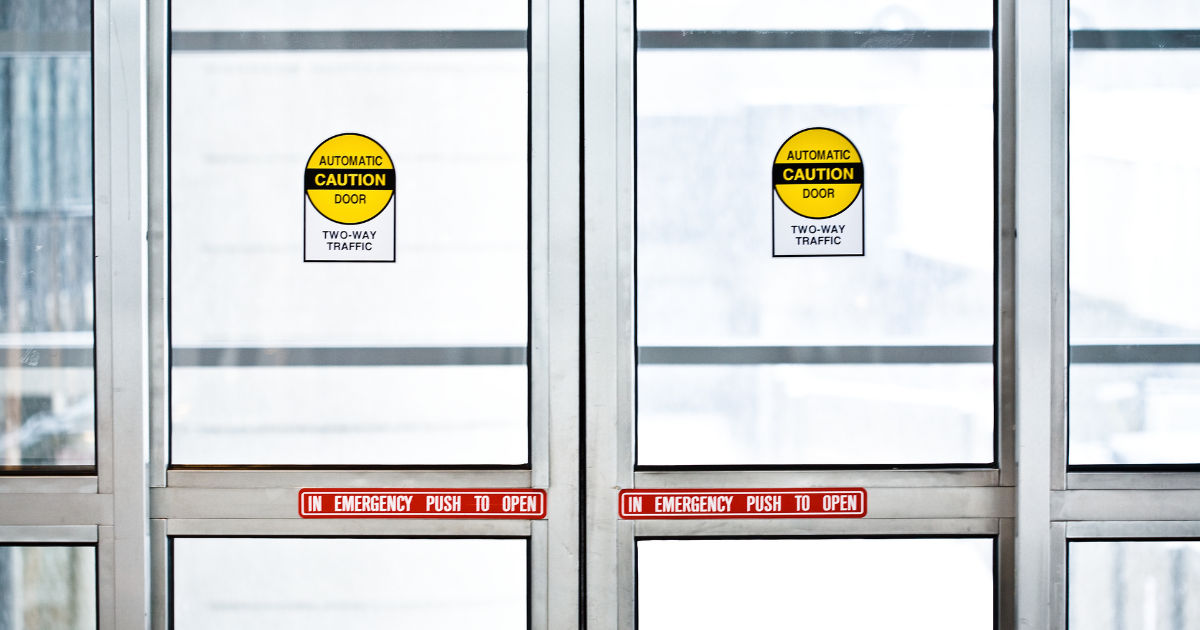
If automatic sliding door sensors fail to detect movement correctly, doors may open too late, close too early, or not respond at all. That can cause inconvenience, safety risks, and maintenance costs.
Automatic sliding door sensors must be tested regularly to ensure they work correctly. Proper testing helps prevent accidents, improves energy efficiency, and keeps the door system reliable. This guide explains how to test automatic sliding door sensor accuracy step by step in simple language. It is written for a 12th-grade audience and focuses on practical, easy-to-follow methods.
By the end of this guide, you will understand why sensor accuracy matters, how sensors work, what tools you need, how to test them properly, and how to fix common issues. You will also learn how to maintain automatic sliding door sensors for long-term performance with guidance from akbari glass
Automatic Sliding Door Sensors
Automatic sliding door sensors are devices that detect motion, presence, or obstacles near a door. When the sensor detects a person or object, it sends a signal to the door controller to open or stay open.
These sensors are designed to improve safety and convenience. Without accurate detection, the door system cannot function as intended. Testing ensures that automatic sliding door sensors respond correctly under different conditions.
Types of Automatic Sliding Door Sensors
Before testing, it is important to know what type of sensor you are working with. Different sensors require slightly different testing methods.
Motion Sensors
Motion sensors detect movement in front of the door. They usually use microwave or radar technology. When someone approaches, the sensor triggers the door to open.
Presence Sensors
Presence sensors detect if someone or something is standing in the doorway area. These sensors often use infrared technology. Their main role is safety, preventing the door from closing on a person.
Infrared Sensors
Infrared sensors emit invisible beams of light. When the beam is interrupted, the sensor detects an object and signals the door system.
Pressure or Floor Sensors
These sensors are placed under mats or floors. When weight is applied, the door opens. While less common today, they are still used in some locations.
Each type of sensor has unique accuracy requirements, but the basic testing principles remain the same.
Why Testing Sensor Accuracy Is Important
Testing automatic sliding door sensors is not just a technical task. It is a safety and reliability requirement.
Accurate sensors protect people from injury. A door that closes too fast or fails to detect someone can cause serious accidents. Testing ensures that the sensors react quickly and correctly.
Sensor accuracy also affects energy efficiency. Doors that open unnecessarily waste heating or cooling. Proper testing ensures doors open only when needed.
Regular testing helps identify problems early. Small issues can be fixed before they turn into costly repairs or complete system failure.
When You Should Test Automatic Sliding Door Sensors
Testing should not be done only when a problem appears. There are several situations when testing is essential.
Sensors should be tested during installation. This confirms that the system is set up correctly from the beginning.
Regular maintenance testing is also important. Many facilities test automatic sliding door sensors monthly or quarterly.
After repairs or adjustments, testing ensures the door system works as expected.
Environmental changes, such as construction nearby or changes in lighting, may also require sensor testing.
Tools Needed to Test Sensor Accuracy
You do not need advanced equipment to test automatic sliding door sensors. Most tests can be done using simple tools.
A measuring tape helps check detection range and coverage area.
A stopwatch or phone timer is useful for measuring response time.
Test objects, such as cardboard, cones, or foam boards, help simulate people or obstacles.
A notebook or checklist helps record results and track performance over time.
For advanced testing, some professionals use sensor testers or diagnostic tools, but basic testing can be done manually.
Preparing for Sensor Testing
Preparation is important for accurate results. Start by ensuring the area around the door is clear and safe.
Check the door system for visible damage. Loose wires, dirty lenses, or misaligned sensors can affect accuracy.
Clean the sensor lenses gently using a soft cloth. Dust and dirt can interfere with detection.
Make sure the door is powered on and operating normally before starting tests.
Once the area is prepared, you can begin testing automatic sliding door sensors step by step.
Testing Motion Detection Accuracy
Motion detection is one of the most important functions of automatic sliding door sensors.
Stand outside the door’s detection zone and slowly walk toward it. Observe when the door begins to open.
The door should open smoothly before you reach the threshold. If it opens too late, the sensor range may be too short.
Repeat the test by approaching from different angles. The sensor should detect motion consistently from all intended directions.
Test at different speeds. Walk slowly, normally, and quickly to ensure the sensor responds accurately each time.
Record the distance at which the door opens. Compare this with manufacturer specifications.
Testing Presence Detection Accuracy
Presence detection ensures safety by keeping the door open when someone is in the doorway.
Stand still in the doorway area and observe if the door remains open. It should not begin closing while you are present.
Move slightly within the detection zone. The sensor should continue detecting your presence.
Test with objects of different sizes, such as a box or bag. The sensor should detect both people and objects.
If the door closes while something is still in the path, the presence sensor needs adjustment.
Testing Infrared Sensor Coverage
Infrared sensors rely on invisible beams, so testing coverage is important.
Place a test object at different heights and positions across the doorway.
Slowly move the object through the detection area. The door should respond every time the beam is interrupted.
Pay attention to corners and edges. These areas are common weak spots for automatic sliding door sensors.
If some areas are not detected, the sensor alignment may need correction.
Testing Response Time
Response time measures how quickly the door reacts after detection.
Use a stopwatch to measure the time between detection and door movement.
The response should feel immediate, usually within a fraction of a second.
Delayed response can indicate sensor calibration issues or system lag.
Test response time multiple times to ensure consistency.
Testing Door Closing Accuracy
Sensor accuracy also affects when the door closes.
After the door opens, move away from the detection area and observe how long it stays open.
The door should close smoothly after a reasonable delay.
If it closes too quickly, it may not give enough time for people to pass.
If it stays open too long, energy efficiency may be reduced.
Proper testing ensures automatic sliding door sensors balance safety and efficiency.
Testing Under Different Environmental Conditions
Environmental factors can affect sensor accuracy.
Test the sensors in different lighting conditions, such as bright sunlight or low indoor light.
Check performance during busy and quiet times. High traffic can affect detection patterns.
If possible, test during different weather conditions, especially for doors near entrances.
Automatic sliding door sensors should perform consistently regardless of environment.
Common Problems Found During Testing
Testing often reveals common issues that can affect performance.
Dirty or blocked sensors are a frequent problem. Cleaning usually fixes this.
Misaligned sensors can cause missed detection or false triggers.
Electrical interference from nearby equipment may affect sensor signals.
Incorrect sensitivity settings can cause doors to open too often or not at all.
Identifying these problems early makes repairs easier and cheaper.
How to Adjust Sensor Settings
Most automatic sliding door sensors have adjustable settings.
Sensitivity controls how easily the sensor detects movement.
Range settings define how far the sensor can detect objects.
Hold-open time determines how long the door stays open.
Adjust settings gradually and test after each change.
Never make large changes all at once, as this can make problems worse.
Safety Guidelines During Testing
Safety should always come first when testing doors.
Never place yourself in a position where the door could close on you.
Use test objects instead of hands or feet to check detection.
If the door behaves unpredictably, stop testing and turn off the system.
Professional help may be needed if safety features fail during testing.
Documenting Test Results
Keeping records is an important part of sensor testing.
Write down test dates, results, and any adjustments made.
Note any recurring issues or unusual behavior.
Documentation helps track performance over time.
It also helps technicians diagnose problems faster in the future.
How Often Should Sensors Be Tested?
Testing frequency depends on usage and environment.
High-traffic areas should test automatic sliding door sensors monthly.
Medium-traffic areas may test quarterly.
Low-traffic areas can test every six months.
Regular testing ensures consistent performance and safety.
When to Call a Professional
Some issues require professional expertise.
If sensors fail repeatedly after adjustment, professional inspection is needed.
Electrical or wiring issues should always be handled by trained technicians.
Complex calibration or software-based sensors may require specialized tools.
Knowing when to call for help prevents further damage.
Benefits of Accurate Sensor Testing
Testing improves safety for everyone using the door.
It reduces wear and tear on door components.
Energy efficiency improves when doors operate correctly.
Overall user experience becomes smoother and more reliable.
Accurate automatic sliding door sensors add value to any building.
Best Practices for Long-Term Accuracy
Clean sensors regularly to prevent dust buildup.
Avoid placing signs or decorations near sensor zones.
Schedule routine inspections as part of building maintenance.
Train staff to recognize early signs of sensor problems.
Consistency is key to long-term performance.
Conclusion
Testing automatic sliding door sensor accuracy is a critical part of maintaining safe, reliable, and efficient entry systems. Automatic sliding door sensors play a vital role in detecting motion, presence, and obstacles, and even small inaccuracies can lead to safety risks or system failures. By understanding how these sensors work and following proper testing methods, you can ensure doors respond correctly in all situations.
This guide explained how to prepare for testing, check motion detection, verify presence sensing, measure response time, and evaluate performance under different conditions. It also covered common problems, adjustment tips, safety guidelines, and maintenance best practices. Regular testing helps identify issues early, reduces repair costs, and ensures a smooth experience for users.
Whether you manage a commercial building or simply want to understand modern door systems, proper testing of automatic sliding door sensors is essential. With careful attention and routine checks, these systems can continue to operate safely and efficiently for years to come.